
Treasury Outlines Stablecoin Licensing Framework Via GENIUS Act
Treasury Proposes Stablecoin Licensing Rules Under GENIUS Act - Read the full analysis.

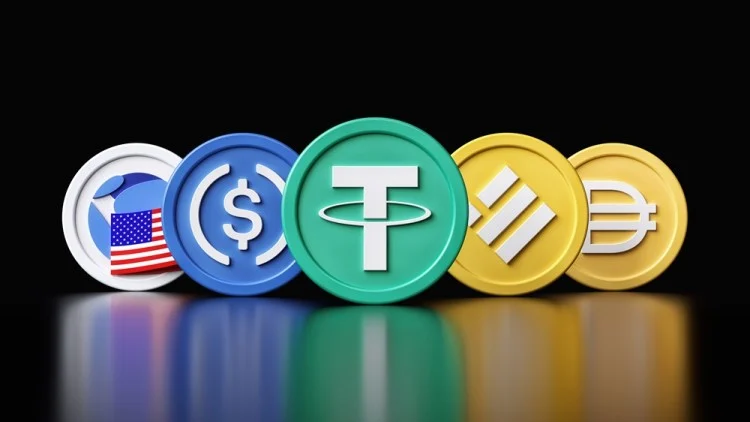
Fresh licensing rules for payment stablecoin issuers have been put forward by the US Treasury Department under Section 3 of the GENIUS Act, kicking off a substantial new feedback window for digital asset oversight.
Issued on August 18 and officially published on August 21, the draft proposal requires payment stablecoin issuers to secure either a state or federal license by January 18, 2027. Following that, digital asset service providers will be barred from making unlicensed stablecoins available to US persons starting July 18, 2028.
Members of the public have until October 19, 2026, to submit their comments.
At this stage, the guidelines do not constitute active law.
Because the proposal remains in the rulemaking phase, specifics are subject to revision once public feedback is reviewed.
TL;DR
- The Treasury has proposed stablecoin licensing rules under the GENIUS Act.
- Issuers would need a federal or state license starting January 18, 2027.
- Service providers would face restrictions on unlicensed stablecoins from July 18, 2028.
Why Stablecoin Licensing Matters
Crypto markets now rely heavily on stablecoins as a core component.
They serve multiple functions, including trading, payments, settlement, remittances, DeFi, exchange liquidity, and providing access to the US dollar outside traditional banking channels, rendering them too significant for regulators to bypass.
Establishing a licensing framework would align stablecoin oversight more closely with traditional banking and payment systems.
Under such a structure, issuers would have to satisfy mandates regarding reserves, supervision, compliance, reporting, and redemptions, while service providers would need to verify which stablecoins are permitted for US users.
Consequently, the overall market structure could undergo a major transformation.
Federal And State Paths Create Competition
Options for securing a federal or state license are included in the proposal.
This provision is significant because regulating stablecoins has long involved tension between national oversight and state-level frameworks, with certain issuers favoring state models while regulators lean toward a unified federal standard.
While providing a dual path offers choices for issuers, it might also introduce additional complexity.
Factors such as the standard of state supervision, reciprocity, reserve rules, examination powers, and coordination on enforcement will all carry weight.
Ultimately, stablecoin issuers seek regulatory clarity while authorities aim for control, and the current proposal attempts to balance both objectives.
The 2028 Service Provider Deadline Is Important
The deadline set for July 18, 2028, functions as a particularly powerful lever within the market.
By this date, digital asset service providers are prohibited from offering unlicensed stablecoins to US persons, an impact that will likely touch exchanges, wallets, payment apps, decentralized finance (DeFi) front ends, custody platforms, and other intermediaries.
Strict enforcement of this rule could steer the entire market in the direction of licensed stablecoins.
As a result, unlicensed issuers might lose entry to US distribution channels, licensed alternatives could capture greater market share, and offshore or smaller stablecoins will likely encounter fresh obstacles.
Although the timeframe provides the market with breathing room, it establishes a definitive endpoint.
This Could Consolidate The Stablecoin Market
Regulatory policies naturally tend to favor larger entities.
Bigger issuers are typically better equipped to absorb compliance expenses, uphold reserve levels, manage audits, and negotiate alongside service providers, whereas smaller players could find it difficult to cope if obtaining a license becomes costly or operationally burdensome.
This dynamic could lead to a consolidation of market share among stablecoins.
The ultimate outcome may yield a marketplace that is safer and more heavily regulated, albeit one characterized by fewer issuers and reduced experimentation.
This tension represents the fundamental trade-off inherent in stablecoin policy.
What Comes Next
Feedback gathered during the comment period will play a crucial role.
Responses are expected from stablecoin issuers, cryptocurrency exchanges, traditional banks, fintech firms, advocacy groups, and digital asset policy organizations, who may voice concerns over definitions, compliance deadlines, licensing criteria, service-provider responsibilities, reserve mandates, and the division between state and federal oversight.
The Treasury retains the authority to modify the regulations after the comment window closes.
At present, the draft establishes a more transparent timeline for the industry.
Issuers of stablecoins may have until early 2027 to acquire proper licensing, whereas service providers must comply with the subsequent 2028 deadline regarding unlicensed products offered to US individuals.
Even though it remains merely a proposal, it is a development the industry cannot afford to overlook.
This article is based on the Treasury Department’s proposed rulemaking and Federal Register materials related to the GENIUS Act.
This article was written by the News Desk and edited by Samuel Rae.
This report is based on information released in disclosures at primary source documentation.
Frequently Asked Questions
When was the Treasury Department’s proposed rulemaking issued and published?
The proposal was issued on August 18 and published on August 21.
What are the key deadlines for stablecoin issuers and service providers?
Payment stablecoin issuers must obtain a federal or state license starting January 18, 2027. By July 18, 2028, digital asset service providers are prohibited from offering unlicensed stablecoins to US persons.
When does the public comment period close?
Public comments are open until October 19, 2026.
Is this proposal currently active law?
No, it is still in the rulemaking stage, and details may change following public feedback.